
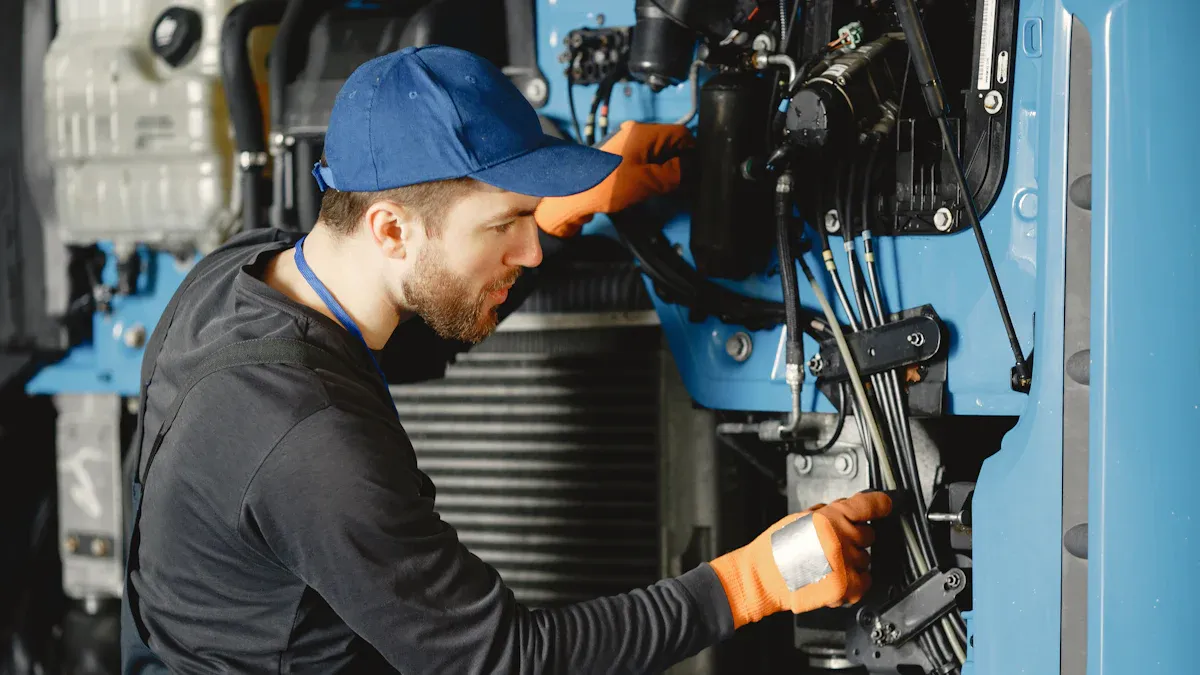
Systematic troubleshooting of frequency converters identifies drive faults quickly, restoring motor operations and preventing costly plant downtime. Variable frequency drives rely on delicate semiconductor power modules and complex digital control circuits that trip when exposed to electrical anomalies or harsh environmental conditions. Understanding common error codes, diagnostic indicators, and physical symptoms allows maintenance technicians to isolate the root cause of drive failures. Resolving electrical, thermal, and mechanical issues efficiently keeps your production line running reliably.
- Overvoltage and Undervoltage Faults
Voltage instability within the incoming main power line or internal direct current bus causes frequent drive trips and operational shutdowns. Overvoltage faults typically occur during rapid motor deceleration, where the rotating load feeds regenerative energy back into the drive. When the internal direct current bus voltage exceeds safe operational thresholds, the drive shuts down automatically to protect its internal power transistors from electrical destruction.
Installing dynamic braking resistors or adjusting deceleration ramp times absorbs excess kinetic energy and resolves overvoltage trips during stop cycles. Undervoltage faults, on the other hand, stem from main power sags, loose supply line connections, or blown input fuses. Inspecting utility feed stability with a digital multimeter and tightening electrical terminals across the incoming breaker panel restores stable voltage input to the drive.
- Thermal Overheating and Drive Tripping
Excessive internal heat accumulation degrades sensitive electronics quickly and triggers protective thermal shutdown alarms. Frequency converters convert electrical power via high-speed switching, generating considerable heat that must dissipate through aluminum heat sinks and cooling fans. Dust, oil mist, and airborne debris clog cooling fins and air filters over time, trapping thermal energy inside the drive enclosure.
Cleaning clogged ventilation paths and replacing failed internal cooling fans restores proper airflow across the power module. Installing drive cabinets in climate-controlled spaces or upgrading to higher-rated enclosures prevents thermal stress during hot ambient weather. Technicians should also verify that clear spacing exists around the drive chassis to allow unhindered air circulation.
- Motor Overload Trips and Overcurrent Spikes
Instantaneous overcurrent spikes and sustained motor overloads signal severe mechanical jams or incorrect drive parameter settings. An overcurrent fault occurs when the drive detects a sudden current draw exceeding its rated peak capacity. This sharp spike often points to mechanical resistance, jammed conveyor belts, short-circuited motor windings, or damaged output wiring between the drive and the motor.
Disconnecting the motor and running the frequency converter in isolation helps isolate whether the fault lies within the drive or the external load. Utilizing a megohmmeter to test motor insulation resistance identifies shorted coils before restarting the system. Reviewing acceleration time parameters also prevents nuisance overcurrent trips caused by ramping up heavy inertial loads too quickly.
- Maintaining Drive Reliability for Long-Term Operation
Diagnosing rotary frequency converter problems systematically protects industrial motors, prevents unexpected production stoppages, and extends equipment operational life. Identifying the specific causes behind overvoltage, thermal overload, and current spike alarms allows maintenance teams to fix underlying electrical and mechanical issues rather than simply resetting fault codes. Proactive troubleshooting converts unpredictable drive failures into manageable, routine maintenance tasks.
Establishing a consistent diagnostic routine ensures your variable speed drives continue operating at peak efficiency. Combining regular thermal checks, electrical audits, and panel cleaning creates a clean, stable environment for drive electronics. Investing time in proper field troubleshooting keeps your automated machinery responsive, lowers maintenance overhead, and maintains continuous productivity across your facility.


More Stories
Mastering Network System Troubleshooting: A Step-by-Step Guide to Diagnosing and Fixing Connectivity Issues
The Ultimate Guide to Fixing Network Glitches: Troubleshooting Like a Pro
Fortifying the Digital Web: Creative Strategies to Safeguard Your Network Ecosystem